The lifespan of led strip lights depends on multiple interconnected factors that work together to determine how long these flexible lighting solutions will remain functional and deliver consistent color and brightness. Understanding these factors is essential for anyone planning to install adhesive tape lighting in residential, commercial, or industrial applications. A well-informed approach to selecting and maintaining led strip lights can significantly extend their operational life and maximize your investment.
When you invest in color changing light strips or any other type of led strip lights, the manufacturers typically provide a rated lifespan measured in hours, often between 25,000 and 50,000 hours depending on quality and design. However, this rated lifespan is only achievable when specific conditions are met and maintained throughout the product's life cycle. Real-world performance can vary dramatically based on how well you understand and control the various factors that influence durability.
Power Supply Quality and Voltage Stability
Impact of Stable Electrical Input
The power supply is one of the most critical factors determining led strip lights longevity. A high-quality, stable power supply that maintains consistent voltage output directly protects the LED diodes and driver circuits from premature degradation. When voltage fluctuates or spikes occur, the internal components experience stress that accumulates over time, reducing the effective lifespan of your flexible lighting solutions significantly.
Undersized or low-quality power supplies cause the LED diodes to work harder than intended, generating excess heat and wearing out faster than expected. Conversely, overpowered supplies can deliver excessive current, overwhelming the driver circuits and causing component failure.
Overcurrent Protection and Regulation
Modern led strip lights benefit from built-in overcurrent protection and voltage regulation circuitry. These safety mechanisms prevent sudden surges from damaging the LEDs and help maintain consistent brightness throughout the lifespan of the product.
When selecting led strip lights, prioritize models with certified power supplies that meet safety standards and include protections against short circuits, overcurrent, and thermal shutdown. These protective features work together to preserve the integrity of the strip's internal components and ensure the longest possible operational life.
Heat Management and Thermal Dissipation
Temperature Control in LED Operation
Heat is the primary enemy of LED lifespan. The semiconductor materials inside led strip lights degrade faster at elevated temperatures, a phenomenon known as thermal degradation. For flexible lighting solutions that must fit into confined spaces or be mounted against surfaces, heat dissipation becomes particularly challenging and directly impacts the durability of the installation.
Manufacturers typically recommend keeping led strip lights operating below 55 to 60 degrees Celsius. When adhesive tape lighting installations exceed these temperature thresholds, the LED diodes experience accelerated aging, resulting in reduced brightness output, color shifts, and ultimately complete failure well before the rated lifespan.
Substrate and Heatsink Design
The aluminum substrate beneath the LED chips serves as a heatsink, drawing thermal energy away from the diodes and dissipating it into the surrounding air. Premium quality color changing light strips feature thicker, high-conductivity aluminum bases that transfer heat more efficiently. Thinner or poorly designed substrates cannot adequately cool the LEDs, causing heat to accumulate and shorten the operational lifespan considerably.
When installing led strip lights, avoid mounting them directly against non-conductive surfaces or in sealed cavities. Proper air circulation around the strip allows the substrate to dissipate heat effectively. Adhesive tape lighting applications benefit from mounting on thermally conductive surfaces like metal channels or aluminum profiles, which further enhance heat dissipation and preserve the lifespan of your installation.
Component Quality and Manufacturing Standards
LED Chip Selection and Binning
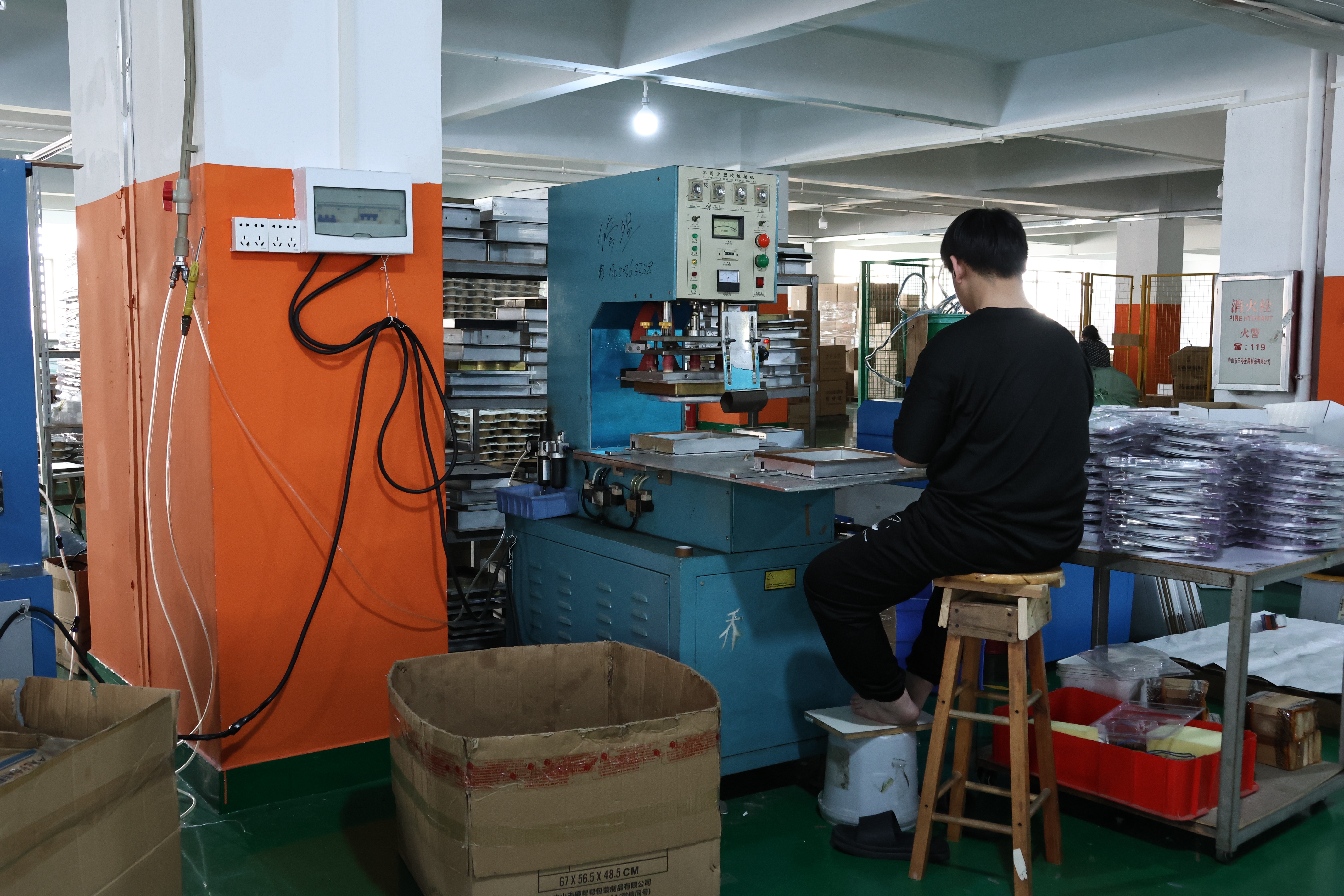
The quality of individual LED chips fundamentally determines how long led strip lights will last. Premium manufacturers source LEDs from certified suppliers and implement strict binning processes to select only chips within optimal performance parameters. Lower-quality led strip lights may use salvaged or rejected chips, which are far more prone to early failure and significantly reduce the overall lifespan of the flexible lighting solutions.
Top-tier color changing light strips utilize semiconductor materials with superior crystal structure, cleaner doping, and better dopant distribution. These characteristics translate into more stable light output, less color drift, and extended operational life.
Solder Joint Integrity and Assembly Precision
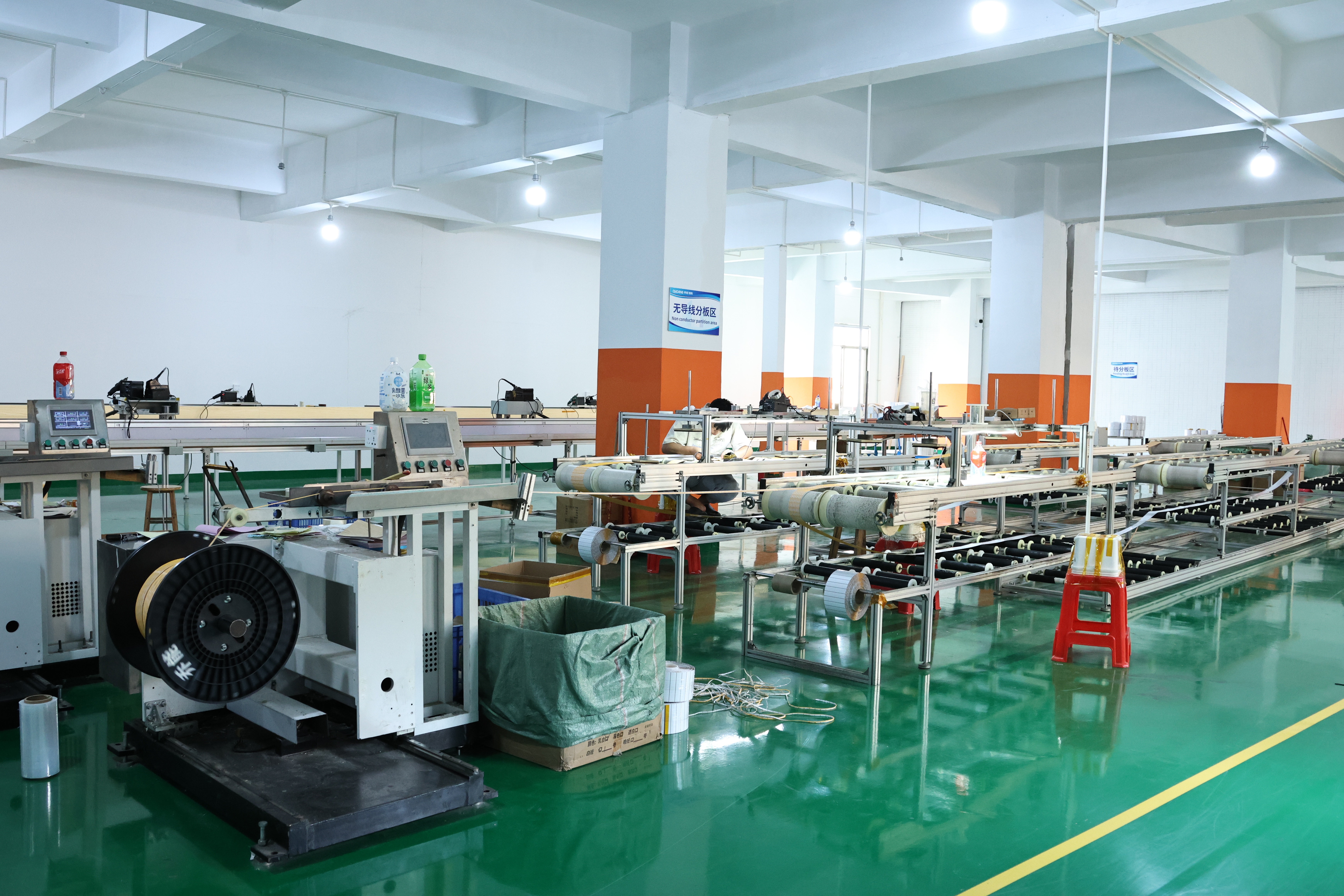
The mechanical connections between LED chips, driver circuits, and the copper traces on the PCB board must be robust and free from defects. Professional manufacturing processes use controlled soldering conditions, ultrasonic cleaning, and rigorous quality inspections to ensure every joint is strong and reliable.
Defective solder joints create intermittent connections that generate heat, introduce electrical noise, and eventually fail completely. This is why led strip lights with poor assembly quality may fail unexpectedly after months rather than years. When selecting flexible lighting solutions, prioritize manufacturers with transparent quality certifications and visible evidence of professional manufacturing practices.
Environmental Factors and Installation Conditions
Humidity, Moisture, and Chemical Exposure
Environmental conditions surrounding your led strip lights installation directly influence lifespan. Moisture and humidity accelerate corrosion of copper traces, solder joints, and component leads. High moisture environments reduce the lifespan of adhesive tape lighting dramatically, sometimes by 50 percent or more compared to dry indoor installations. Chemical exposure from cleaning agents, automotive fluids, or industrial processes further corrodes components and reduces the operational life of flexible lighting solutions.
For installations in wet or humid areas, select color changing light strips with silicone or epoxy encapsulation, conformal coating, and waterproof housing. These protective measures shield internal components from environmental attack and extend the lifespan significantly. Proper IP rating selection, such as IP67 or IP68 for wet environments, ensures your led strip lights remain protected throughout their rated lifespan.
Electrical Environment and EMI
Electromagnetic interference from nearby power equipment, motors, or welding operations can induce voltage spikes and transients that stress the components in led strip lights. Industrial environments with significant EMI present particular challenges for maintaining long lifespan in adhesive tape lighting installations.
Proper grounding, shielded cabling, and separation from high-EMI sources help preserve the lifespan of color changing light strips. When planning installations in electrically hostile environments, invest in robust power supplies with advanced filtering and consider using isolated power distribution to further protect your investment.
Operational Habits and Maintenance Practices
Duty Cycle and Switching Frequency
How frequently you switch led strip lights on and off influences total operational lifespan. While LEDs theoretically outlast incandescent bulbs in terms of switch cycles, excessive switching at extreme temperature variations can contribute to fatigue in solder joints and component leads. Moderate switching patterns within normal operating temperatures allow led strip lights to reach their full rated lifespan without accelerated wear.
Continuous operation at rated current and stable temperature conditions extends the lifespan of flexible lighting solutions more predictably than cycling between on, off, dimmed, and full brightness states. Color changing light strips used for daily color transitions or brightness adjustments typically experience slightly reduced lifespan compared to constant-output installations, but the difference is manageable with proper power supply design and thermal management.
Regular Inspection and Preventive Maintenance
Monitoring your led strip lights installation for signs of degradation helps identify problems before complete failure occurs. Periodic visual inspections for discoloration, corrosion, loose connectors, or changes in brightness patterns provide early warning of potential issues. Cleaning dust accumulation from the adhesive tape lighting surface and surrounding areas maintains airflow and prevents thermal buildup that could shorten lifespan.
Simple maintenance practices like keeping connections dry, tightening loose connectors, and ensuring adequate ventilation around color changing light strips can add years to their operational life. Documenting installation date and operating hours helps track lifespan trends and provides valuable information for planning future replacements.
FAQ
How long do led strip lights typically last in practical installations?
Most quality led strip lights are rated between 25,000 and 50,000 hours of operation, which translates to roughly 3 to 6 years of continuous use or 10 to 20 years of typical part-time use in residential settings. However, actual lifespan in real-world conditions depends heavily on the factors discussed throughout this article.
What is the most common reason led strip lights fail prematurely?
Excessive heat caused by poor thermal dissipation, inadequate ventilation, or installation in confined spaces is the leading cause of premature failure in color changing light strips and other flexible lighting solutions. When the aluminum substrate cannot dissipate heat effectively, LED chips degrade rapidly, causing brightness to fade, colors to shift, and eventually complete failure.
Can I extend the lifespan of my led strip lights through proper maintenance?
Yes, regular maintenance and proper operational habits can meaningfully extend the lifespan of led strip lights beyond their rated hours. Keeping connections clean and dry, ensuring adequate ventilation around adhesive tape lighting installations, using quality power supplies, monitoring temperature, and protecting the strips from environmental contamination all contribute to longer operational life.
 EN